Best Medical Alert Systems With Fall Detection (2026)
By Simon Peter Lokomo, MPH — Public Health
Last reviewed: July 2026
I don’t earn a commission on the links below, each points to the provider’s official site so you can check current pricing yourself. Our assessments draw on independent third-party testing, and we always list the genuine downsides.
For most people, Medical Guardian is the best medical alert system with fall detection in 2026. Fast response, fall detection on every device, and long in-home range. Bay Alarm Medical is the strongest for fall detection specifically, and MobileHelp is the best value. But the most important choice isn’t the brand: it’s whether the device gets worn and where on the body it sits, because fall-detection accuracy depends far more on placement than on logo.
If you’re here after a scare, the marketing can feel overwhelming. Every brand claims to be the safest. Below is a plain, honestly-caveated comparison based on independent testing, with the research on which features actually matter, so you can spend on protection that works rather than features that photograph well.
Best overall: Medical Guardian · Best fall detection: Bay Alarm Medical · Best value: MobileHelp · Fastest response: Medical Care Alert · Best on-the-go: Lively Mobile2 · Cheapest fall-detection add-on: Alert1. Whichever you pick, choose a pendant or waist-worn device over a wrist watch if fall detection is the priority, the research favors it.
How the top systems compare
The table below shows starting in-home prices and the fall-detection add-on for each. Fall detection is almost always an extra monthly fee, and some brands add one-time equipment costs, both are noted.
| System (best for) | In-home from | Fall detection | Standout | Watch out for |
|---|---|---|---|---|
| Medical Guardian (best overall) | ~$31.95/mo | +$10/mo, all devices | Fast response; range up to 1,400 ft; soft-vs-hard impact sensing | Equipment fees ($149–$199) appear at checkout |
| Bay Alarm Medical (best fall detection) | ~$24.95/mo | +$15/mo add-on | Top-scored fall detection; excellent customer service; no hidden fees | Fall detection costs more than rivals; smartwatch battery short |
| MobileHelp (best value) | ~$25.95/mo | Add-on (confirm current fee) | Free equipment, no activation fee; simple pricing | Shorter range; no caregiver app; monitoring outsourced |
| Medical Care Alert (fastest response) | ~$29.95/mo | +$10/mo | ~17-second response; EMT-certified US operators; free lockbox | Smartwatch has a ~$150 equipment fee |
| Lively Mobile2 (best on-the-go) | ~$24.99/mo + device | Optional add-on | Belt-clip option (better fall-detection placement); shower-safe | Short, non-adjustable lanyard; activation fee |
| Alert1 (cheapest fall-detection add-on) | ~$30/mo | ~+$5/mo | Lowest fall-detection fee; no equipment fees or contracts | Short home range; audio quality issues in testing |
Which features actually matter? (The evidence)
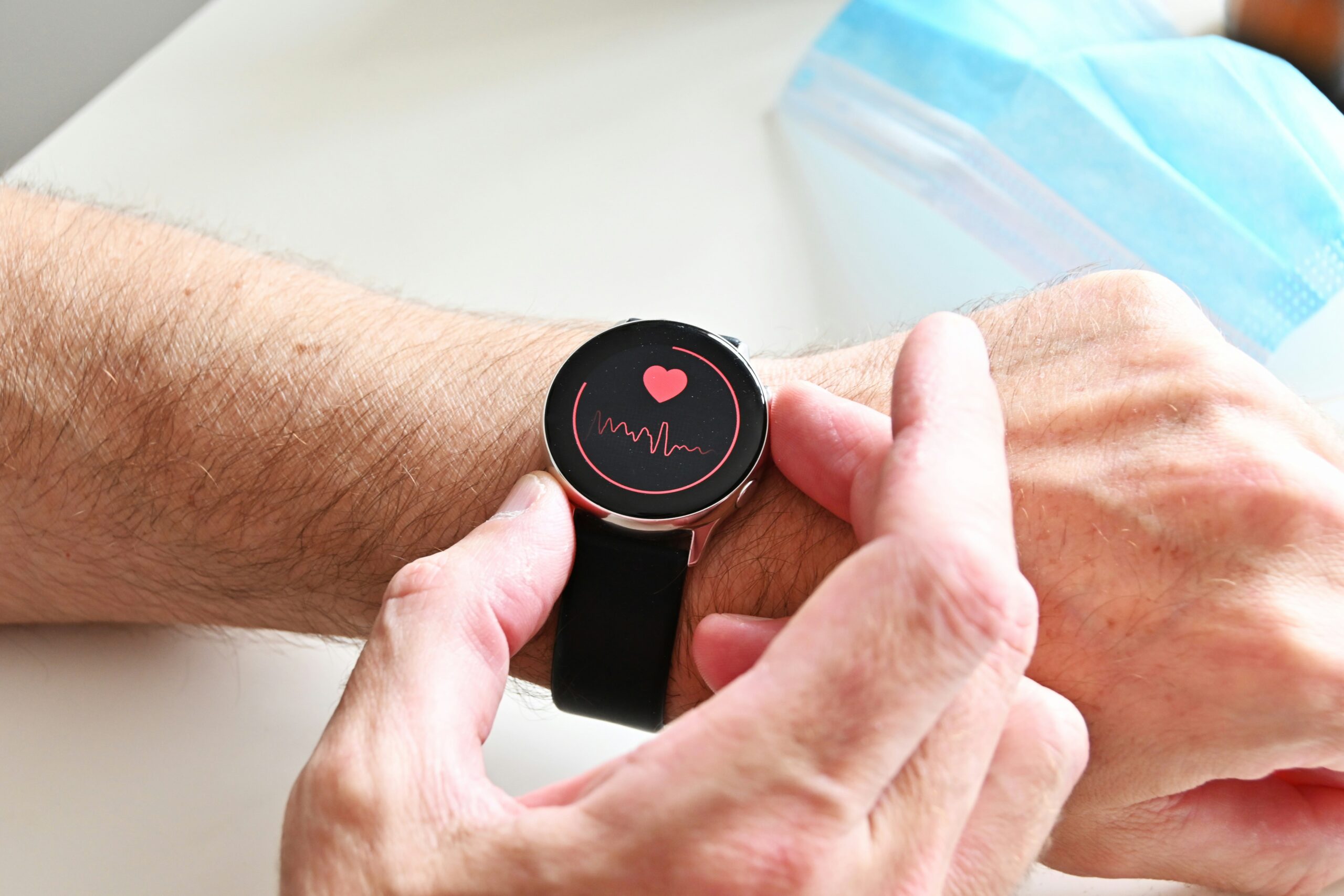
Placement matters more than brand. This is the single most useful thing research tells us, and almost no marketing mentions it. Fall-detection sensors worn on the trunk are the most accurate: studies put waist-worn accuracy around 99.96% and chest-worn around 98%, versus about 97.37% on the wrist and wrist devices detect fewer falls overall because normal hand movement confuses the sensor. Smartwatches also tend to miss “softer” falls, the slow slides that are common in older adults. So if fall detection is the goal, a pendant worn on the breastbone (outside the clothing, so it can move) or a belt-clip beats a wrist watch, even though the watch looks nicer.
No fall detection is 100% accurate, every manufacturer says so in the fine print. The technology is tested in labs, not on years of real-world falls, so it will occasionally miss a fall and occasionally false-alarm. Fall detection closes the “couldn’t press the button” gap; it does not replace the button. If you can press it, press it.
Beyond placement, three things separate a device that protects from one that just bills you:
- Whether it’s actually worn. The best system is the one on the body in the shower and overnight when many falls happen. Comfort, a waterproof rating, and long battery life matter more than any spec sheet. A pendant on the nightstand or a smartwatch dead at 6–8 hours protects no one.
- Soft-vs-hard impact sensing. Some systems (Medical Guardian, Bay Alarm, LifeStation) can tell a real fall from flopping onto the couch, which cuts false alarms. This is a genuine feature difference, not a marketing checkbox.
- Response time and US-based monitoring. Faster is better, but anything reliably under 60 seconds is fine. Don’t overpay chasing a few seconds when comfort and consistent wear matter more.
One honest upside worth naming: research suggests people who use fall detection become more active and confident at home. That peace-of-mind effect is real, just don’t confuse it with proof against injury. (For the full picture on that, see our companion guide, Do medical alert systems actually save lives?)
The systems, reviewed
Assessments synthesize independent hands-on testing from NCOA, SafeHome, and SeniorLiving (2026). We haven’t lab-tested these ourselves.
Medical Guardian — best overall
Who it’s for: Most people who want reliable, fast protection with fall detection on any device.
Pros: Among the fastest response times in testing; fall detection available on every device at a flat $10/month; in-home range up to 1,400 feet; soft-vs-hard impact sensing; strong caregiver app; no long-term contract.
Cons: Priciest starting monthly of the majors; equipment fees ($149–$199) that only appear at checkout on most devices; no free trial.
Verdict: The best all-around choice, especially if you want fall detection regardless of which device you pick. Worth the premium for the range and response; just budget for the equipment fee.
Check current pricing on Medical Guardian’s official site →
Bay Alarm Medical — best fall detection
Who it’s for: Buyers whose top priority is fall detection and customer service, on a budget.
Pros: Highest-scored fall detection in one major roundup; detected every test fall on its home unit; fast response; no hidden fees or contracts; free 30-day money-back guarantee.
Cons: Fall detection is a $15/month add-on more than most rivals; its smartwatch battery is short, so skip the watch if you want all-day fall detection.
Verdict: If fall detection is the whole reason you’re buying, start here and choose the pendant, not the watch. Just factor in the higher add-on fee.
Check current pricing on Bay Alarm Medical’s official site →
MobileHelp — best value
Who it’s for: Cost-conscious buyers who want simple in-home protection. Pros: Among the lowest monthly fees (from ~$25.95); free equipment and no activation fees; straightforward pricing. Cons: Shorter range on the Classic; no caregiver app; monitoring is outsourced (to a well-regarded partner, but not in-house). Note MobileHelp is now owned by Medical Guardian. Verdict: The best way to get real, monitored protection for the least money, accept the simpler feature set as the trade-off.
Check current pricing on MobileHelp’s official site →
Medical Care Alert — fastest response
Who it’s for: Home-based users who want the quickest human on the line.
Pros: ~17-second response (fastest we found); EMT/EMD-certified, US-based operators; free lockbox; 1,000-foot home range.
Cons: The smartwatch carries a ~$150 equipment fee.
Verdict: A strong at-home choice, especially if fast, well-trained operators matter most to you.
Check current pricing on Medical Care Alert’s official site →
Lively Mobile2 — best on-the-go
Who it’s for: Active people who want one shower-safe device that goes everywhere.
Pros: Included belt-clip option puts the device at the waist, the most accurate spot for fall detection; no home base needed; quick response.
Cons: Short, non-adjustable lanyard; volume can’t be lowered; charges an activation fee.
Verdict: The best single-device mobile pick, and the belt-clip is a genuine fall-detection advantage, use it.
Check current pricing on Lively’s official site →
Alert1 — cheapest fall-detection add-on
Who it’s for: Budget buyers who specifically want fall detection cheaply.
Pros: Fall detection is only ~$5/month (the lowest of the majors); no equipment fees or contracts.
Cons: Short home range (400–600 feet); testers reported audio-quality issues.
Verdict: Hard to beat on fall-detection price, but the short range and audio problems mean it suits smaller homes best.
Check current pricing on Alert1’s official site →
How do you choose the right one?
Match the device to the person’s real life, in this order:
- Where do they spend their time? Mostly home → an in-home system is enough. Out and about → a mobile GPS device.
- Is fall detection a priority? If yes, choose a pendant or belt-clip, not a wrist watch, and confirm the fall-detection battery lasts all day.
- Will they actually wear it? Pick the most comfortable, waterproof option they’ll keep on in the shower and overnight. Wear beats features.
- Budget honestly. Add the fall-detection fee ($5–$15) and any equipment/activation fee to the monthly price before comparing.
- Add a lockbox so responders can get in without breaking a door, several brands include one free.
Original Medicare does not cover medical alert systems. Some Medicare Advantage (Part C) plans offer them as a supplemental benefit, so check your specific plan’s Summary of Benefits or call the plan directly. Confirm current rules at Medicare.gov.
When a device isn’t enough
A medical alert is a safety net after a fall. it does nothing to prevent one. If a parent has fallen more than once or is increasingly unsteady, pair the device with the interventions that actually reduce falls: a ris review, balance and strength exercise, and home safety changes. And if it’s becoming clear they can’t safely be alone, that’s a bigger conversation worth having early. See our guide on what to do if a parent keeps falling, and the broader guide to the best medical alert systems.
Key takeaways
- Medical Guardian is the best all-around system with fall detection; Bay Alarm Medical is best for fall detection specifically; MobileHelp is the best value.
- Fall-detection accuracy depends on placement: waist and chest beat the wrist, and smartwatches miss softer falls. Choose a pendant or belt-clip if fall detection is the priority.
- No fall detection is 100% accurate, it closes the “couldn’t press the button” gap but doesn’t replace the button or prevent falls.
- Budget for the fall-detection fee ($5–$15/month) and any equipment fee, not just the headline monthly price.
- Original Medicare won’t cover it; some Medicare Advantage plans might.
Frequently asked questions
What is the best medical alert system with fall detection?
For most people, Medical Guardian, thanks to fast response, fall detection on every device at a flat $10/month, and long in-home range. Bay Alarm Medical is the top choice if fall detection is your single priority, and MobileHelp is the best value. The best pick also depends on whether the person is mostly home or on the go.
How accurate is fall detection?
No fall detection is 100% accurate, and every manufacturer says so. Accuracy depends heavily on where the device is worn: studies put waist- and chest-worn sensors around 98–99% versus about 97% on the wrist, and smartwatches often miss softer falls. It reliably catches many falls but should be treated as a backup to the help button, not a guarantee.
Is fall detection worth the extra cost?
For someone who lives alone or has lost consciousness before, yes it can summon help when they can’t press the button, for about $5–$15 a month. Choose a pendant or belt-clip rather than a wrist device for the best accuracy, and make sure the battery lasts all day.
Does Medicare cover medical alert systems with fall detection?
Original Medicare does not. Some Medicare Advantage (Part C) plans offer a medical alert benefit, so check your plan’s Summary of Benefits or call the plan. Don’t assume it’s covered, confirm at Medicare.gov.
Should I get a medical alert watch or a pendant for fall detection?
For fall detection specifically, a pendant (worn on the breastbone, outside clothing) or a belt-clip is more accurate than a watch, because wrist sensors detect fewer falls and smartwatch batteries are often short. A watch is fine if discreetness matters most and fall detection is secondary.
HomeAgingGuide.com provides evidence-based information, not medical advice. Simon Peter Lokomo holds an MPH in public health and is not a licensed physician. Product assessments draw on independent third-party testing. Confirm current pricing and features with each provider before buying.