Does Medicaid cover home modifications?
By Simon Peter Lokomo, MPH — Public Health
Last reviewed: July 2026
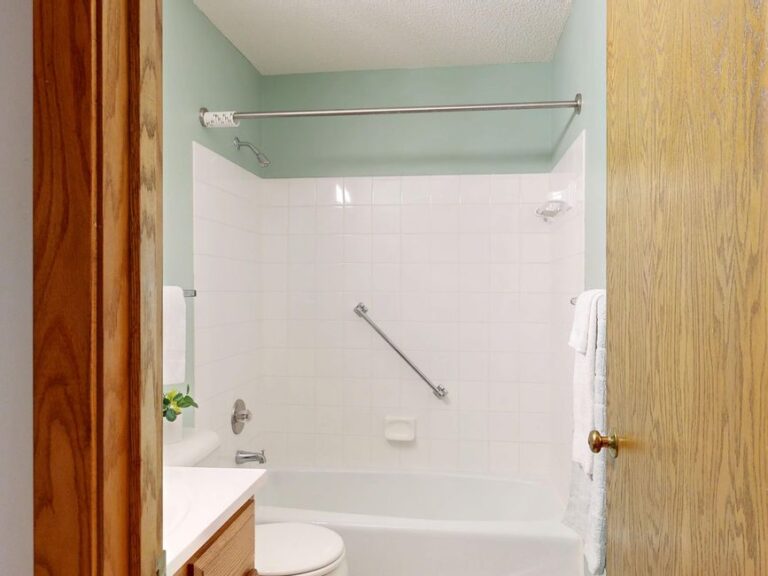
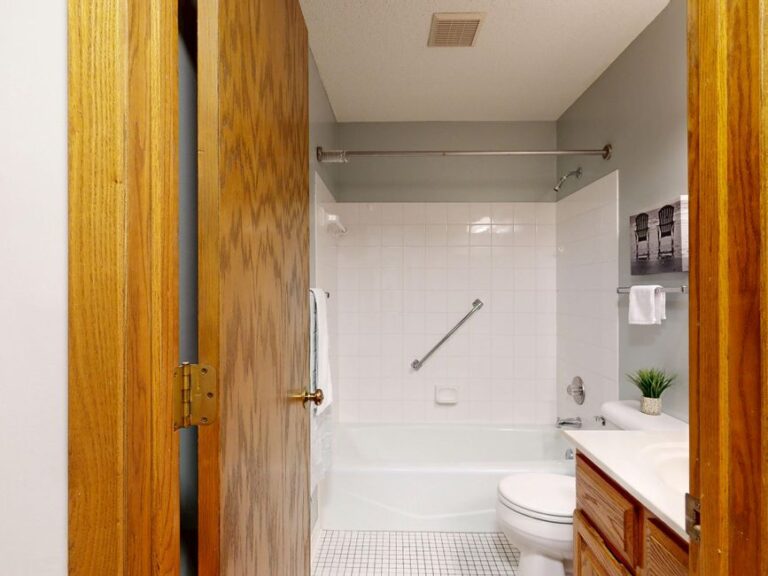
Often, yes. But not through regular Medicaid. Coverage comes through your state’s Home and Community Based Services (HCBS) waiver, which can pay for ramps, grab bars, walk-in showers, stair lifts, and doorway widening, commonly up to a lifetime cap in the $5,000–$15,000 range. The catch is real: waivers are state-run, they require nursing-home-level need plus strict income limits, and unlike nursing home Medicaid. they have enrollment caps, so qualifying doesn’t guarantee a spot.
If you’ve already been told “Medicare won’t pay for any of this,” that’s true, and it’s why so many families stop looking. But Medicaid is a different program with different rules, and for families who qualify financially, it’s the single largest source of home-modification funding in the country. Here’s how it actually works, and where it gets stuck.
Why doesn’t regular Medicaid cover home modifications?
Because standard Medicaid pays for medical care, not housing changes. The federal government’s own review of all 50 states found that the majority of Medicaid State Plans do not cover home modifications at all. What they do cover is medical equipment such as wheelchairs and hospital beds, not structural changes to a house.
Waivers are the workaround, and they exist for a practical reason: it’s far cheaper for a state to install a $6,000 walk-in shower than to pay for years of nursing-home care. That’s the entire logic of HCBS. The same federal review found that almost every HCBS waiver lists home modifications and assistive technology as covered services the opposite of the State Plan picture.
Original Medicare does not pay for home modifications. Regular Medicaid usually doesn’t either. Medicaid HCBS waivers frequently do. If someone told you “Medicaid won’t cover it,” ask specifically about your state’s HCBS waiver and “environmental accessibility adaptations” that’s the term the program actually uses.
What will an HCBS waiver actually pay for?
Structural changes that let someone stay safely at home. In waiver paperwork, these are called Environmental Accessibility Adaptations. Learn that phrase, because using it with a case manager gets you further than “home modifications.”
| Commonly covered | Sometimes covered | Rarely / not covered |
|---|---|---|
| Wheelchair ramps | Stair lifts | General repairs or remodeling |
| Grab bars & handrails | Full bathroom remodels | Anything cosmetic |
| Walk-in / roll-in showers | Vehicle modifications | Additions that increase square footage |
| Doorway widening | Personal emergency response systems | Work in a home the person doesn’t live in |
| Bathroom adaptations | Adaptive lighting & electrical changes | Work done before approval |
Caps vary enormously. Many states set a lifetime cap somewhere in the $5,000–$15,000 range for adults; some are more generous, some far tighter. Because there’s no national figure, the only number that matters is your own state’s ask the case manager for it in writing before anyone starts planning a project.
Who qualifies for an HCBS waiver?
Three tests, and you must pass all three: financial, functional, and availability.
- Financial. In most states, the 2026 HCBS income limit is about $2,982/month for a single person (300% of the SSI federal benefit rate, the same limit as nursing home Medicaid), with an asset limit generally around $2,000. A few states set higher asset limits. The person’s home usually isn’t counted as an asset while they live in it, within an equity limit.
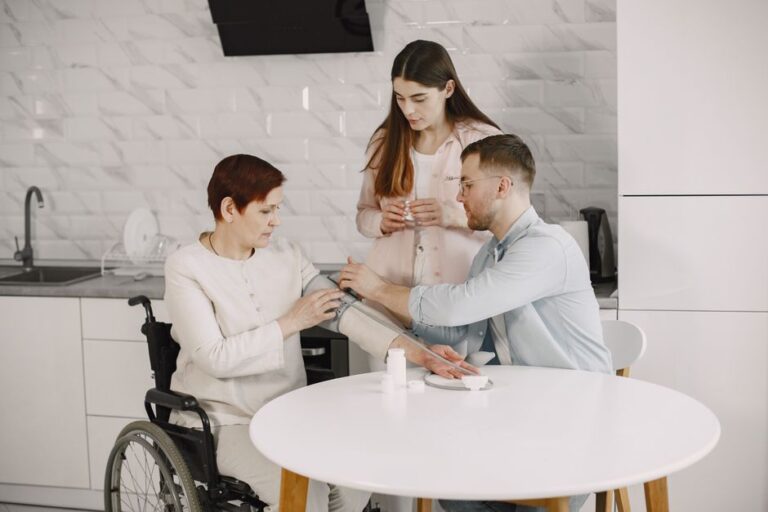
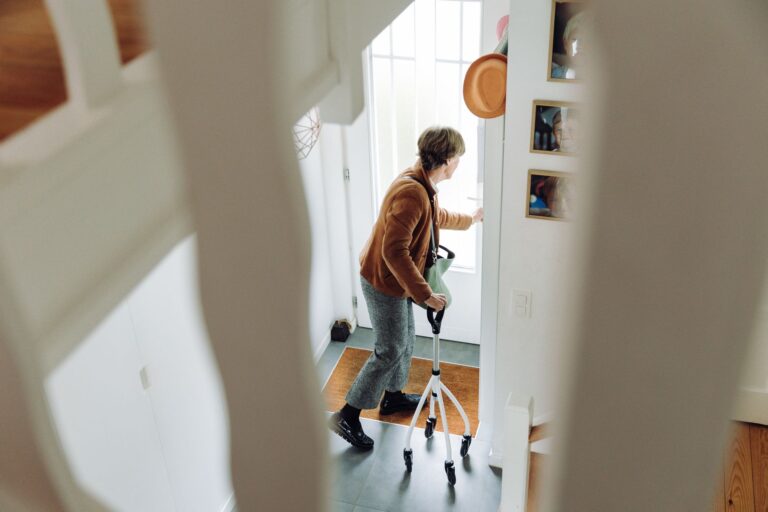
- Functional. Most waivers require Nursing Facility Level of Care, meaning the person genuinely needs the kind of care a nursing home provides, but chooses to receive it at home. This is assessed through a standardized evaluation of activities of daily living: bathing, dressing, eating, mobility, toileting.
- Availability. This is the one nobody warns you about, see below.
Because these limits change annually and vary by state, treat the figures above as a starting point and confirm current numbers with your state Medicaid agency.
Nursing home Medicaid is an entitlement qualify and you get it. HCBS waivers are not. They have enrollment caps, and when a cap is reached, eligible people go on a waiting list that can run months or years in some states. Qualifying is not the same as receiving. Get on the list as early as you can, even if you’re not ready to start work the clock only starts when you apply.
How do you actually apply?
Start at your state’s single point of entry, then work through a case manager. The exact route differs by state, but the path is consistent:
- Find your state’s entry point — usually the Area Agency on Aging (for people 60+) or the state Medicaid/health department. Call and ask: “Which HCBS waiver covers environmental accessibility adaptations, and how do I apply?”
- Ask about the waitlist immediately. Get on it even if you’re mid-research, waiting doesn’t cost anything and the queue is the constraint.
- Get the level-of-care assessment. This determines functional eligibility and is usually arranged through the state or a case manager.
- Get modifications written into the care plan. This is the step families miss: the work must be approved in the person-centered care plan before it happens. Work done before approval is generally not reimbursed, ever.
- Find a contractor enrolled as a Medicaid waiver provider. Not optional, and genuinely hard (see below).
- Keep everything documented to the state’s standard, and expect payment to the contractor 30–60 days after installation.
What the guides don’t tell you
Three obstacles cause most of the failures, and knowing them upfront saves months.
- Finding a contractor is often harder than qualifying. The contractor must be enrolled as a Medicaid waiver provider, enrollment paperwork typically takes 60–90 days, so most simply don’t bother. Ask your case manager for the state’s list of enrolled providers rather than calling local contractors cold.
- Nothing gets paid retroactively. If you fix the bathroom while waiting for approval, you’ve bought it yourself. Approval first, then work, always.
- Estate recovery is real. States are required to seek recovery from the estates of certain Medicaid long-term-care recipients after death. It doesn’t make waivers a bad deal, care received is usually worth far more than the recovery, but families should understand it going in, and it’s worth a conversation with an elder-law attorney if there’s a home to protect.
What Medicaid coverage does NOT mean
- It doesn’t mean Medicare will help. Original Medicare doesn’t cover home modifications. These are different programs with different rules; qualifying for one says nothing about the other. See our guide to what Medicare will and won’t pay for.
- It doesn’t mean regular Medicaid covers it. Most State Plans don’t. The waiver is the mechanism, and if you ask the wrong question you’ll get a wrong “no.”
- It doesn’t mean qualifying gets you funded. Enrollment caps and waitlists are the real gate.
- It doesn’t mean a blank check. Caps are usually a lifetime figure, not per-project spending $8,000 on a bathroom now may leave nothing for a ramp later. Plan the sequence with the case manager.
- It isn’t uniform. Every state names its waivers differently, covers different things, and sets different caps. National figures are orientation only; your state’s rules are the only ones that count.
Where to get help
Call your Area Agency on Aging first (find yours via the federal Eldercare Locator), they’re free. They know your state’s waivers by name, and they’ll tell you the current waitlist reality. For eligibility questions, contact your state Medicaid agency directly. If there’s a home or significant assets involved, a consultation with an elder-law attorney or a benefits counselor is worth the fee — Medicaid financial rules are genuinely complex and mistakes are expensive.
Veterans have a separate and often faster route worth checking first, see our guide to VA home modification grants. For every other option, start with all the ways to pay for home modifications.
Key takeaways
- Regular Medicaid usually doesn’t cover home modifications; HCBS waivers frequently do — ask specifically about “environmental accessibility adaptations.”
- Coverage commonly runs to a lifetime cap in the $5,000–$15,000 range, but varies enormously by state.
- You must pass three tests: income (~$2,982/month in most states, 2026), nursing-home level of care, and an available waiver slot.
- Waivers aren’t an entitlement, waitlists are the real barrier. Apply early even if you’re not ready.
- Approval must come before the work, and the contractor must be an enrolled waiver provider. Skip either and you pay yourself.
Frequently asked questions
Does Medicaid pay for a walk-in shower?
Often yes, through your state’s HCBS waiver rather than regular Medicaid. Walk-in and roll-in showers are among the most commonly covered environmental accessibility adaptations. You’ll need to meet the waiver’s income and level-of-care requirements, have the work approved in your care plan first, and use a contractor enrolled as a Medicaid waiver provider.
Does Medicaid cover grab bars and ramps?
Grab bars, handrails, and wheelchair ramps are among the most commonly covered items under HCBS waivers. Regular Medicaid State Plans usually don’t cover them, so the waiver is the route. Ask your case manager to include them in the person-centered care plan before any work begins.
What is an HCBS waiver?
It’s a Medicaid program that pays for services in a person’s home or community instead of a nursing home, including personal care, meals, and home modifications. They’re run by states under federal authority (1915(c), 1915(i), 1915(k), or Section 1115), and every state names them differently, so search for your state’s specific waiver.
How much will Medicaid pay for home modifications?
There’s no national figure. Many states set a lifetime cap roughly in the $5,000–$15,000 range for adults, but some are higher and some lower, and the cap is usually lifetime rather than per project. Your state Medicaid agency or case manager can give you the exact current number.
Is there a waiting list for Medicaid home modifications?
Frequently, yes. Unlike nursing home Medicaid, which is an entitlement, HCBS waivers have enrollment caps. So when slots run out, eligible people wait, sometimes for months or years depending on the state. Apply as early as possible, since the wait starts when you apply, not when you need the work done.
HomeAgingGuide.com provides evidence-based information, not medical, legal, or financial advice. Simon Peter Lokomo holds an MPH in public health and is not a licensed physician, attorney, or benefits counselor. Medicaid rules vary by state and change annually — always confirm current eligibility and coverage with your state Medicaid agency, your Area Agency on Aging, or a qualified benefits specialist before making decisions.