Does Medicare Cover Grab Bars and Home Modifications?
Reviewed by Simon Peter Lokomo, MPH
Last reviewed: June 2026 · Evidence tier: CDC Guideline · Sources: Medicare.gov, CMS, VA.gov
There is real money available to help pay for home modifications like grab bars, ramps, walk-in showers, and stair lifts, but it is scattered across Medicaid waivers, veterans’ grants, federal rural programs, state initiatives, and non-profits, each with its own rules. The single best starting point for most families is a free phone call to your local Area Agency on Aging, which can map the programs you qualify for. This guide pulls the main options into one place, with what they cover and how to begin.
Why this matters
Aging-in-place modifications are not cheap. A bathroom remodel can run several thousand dollars; a stair lift or walk-in shower, more. For many families that cost feels like the barrier between a parent staying home safely and not.
What most people never learn is that a surprising amount of this can sometimes be funded in full through programs designed precisely to keep older adults out of far more expensive institutional care. The catch is that the information is genuinely hard to find: spread across dozens of agencies, buried in PDFs, and written in bureaucratic language. This guide aims to put the real options in one clear place.
The key point
There is no single program that covers everyone. Funding comes from several sources: Medicaid waivers, VA grants, USDA rural programs, state and local programs, and non-profits, and they can often be combined. The fastest way to find what applies to you is to call your Area Agency on Aging, a free local service that knows the programs in your area.
The main funding sources at a glance
| Source | Who it’s for | Typical help |
|---|---|---|
| Medicaid HCBS waivers | Low-income seniors needing nursing-home level of care | Grab bars, ramps, walk-in showers; often $5,000–$15,000+ caps (varies by state) |
| VA housing grants (SAH/SHA/HISA) | Veterans with qualifying disabilities | From ~$6,800 (HISA) up to six-figure sums (SAH) |
| USDA Section 504 | Very-low-income rural homeowners | Grants up to ~$10,000 (age 62+); loans up to ~$40,000 |
| State & local programs | Varies — often income-based | Grants and low-interest loans; amounts vary widely |
| Nonprofits (e.g. Rebuilding Together, Habitat) | Often low-income, elderly, or veterans | Free or low-cost safety modifications and labor |
| Medicare Advantage (some plans) | Plan members, often with documented need | Limited home-safety items; uncommon |
Medicaid waivers: the biggest source for many
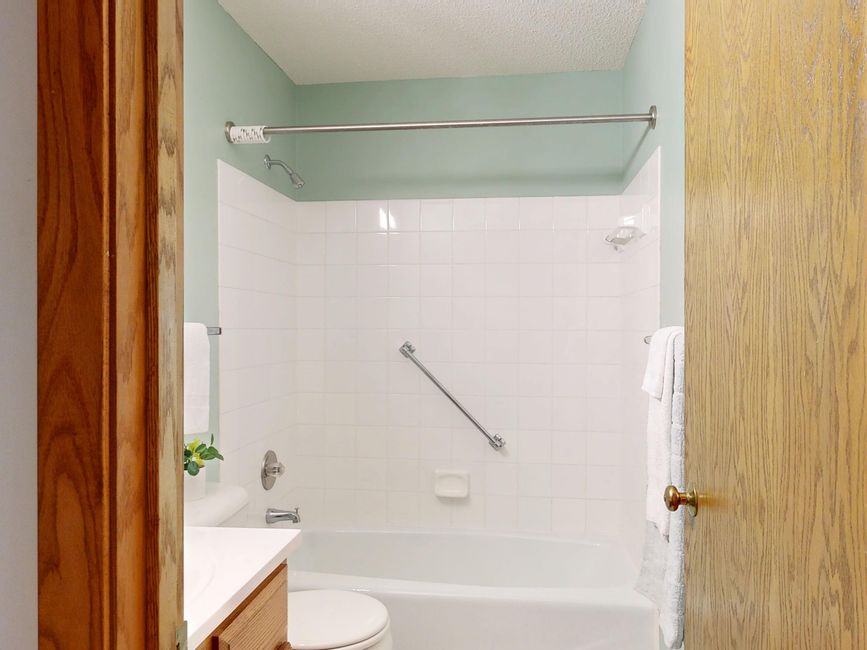
For older adults who meet the income and care-need requirements, Medicaid is often the most generous option. Through Home and Community-Based Services (HCBS) waivers, states can pay for “environmental accessibility adaptations”. The official term for items such as grab bars, wheelchair ramps, walk-in showers, stair lifts, and doorway widening.
The logic is purely financial: a one-time bathroom modification costs the state a fraction of a single month of nursing-home care, so funding it keeps people home and saves money. Every state has at least one waiver, but each names them differently, sets different dollar caps, and has its own eligibility rules. Two important cautions: waivers are not an entitlement, so enrolment can be capped, and waiting lists are common sometimes years long. Moreover, you generally must show a current functional need, so applying “just in case” before you qualify usually does not work. Apply as early as you genuinely qualify, and contact your state Medicaid office or Area Agency on Ageing to find your state’s program.
Veterans’ grants: valuable and underused
If your parent is a veteran, the VA offers some of the most substantial home-modification help available. There are three main grants, and the same application (VA Form 26-4555) starts the process for the first two.
- HISA grant — for medically necessary home improvements, available even for non-service-connected conditions. The maximum is around $6,800 for those with a qualifying service-connected condition, and about $2,000 for non-service-connected needs. It needs a VA physician’s prescription.
- SHA grant (Special Housing Adaptation) — for veterans with certain service-connected disabilities (such as blindness or loss of use of both hands). The FY 2026 maximum is around $25,350, usable across multiple projects over a lifetime.
- SAH grant (Specially Adapted Housing) — the largest, for veterans with severe qualifying service-connected disabilities. The FY 2026 maximum is around $126,526. It funds major adaptations or even building an accessible home.
These figures adjust every October, so confirm the current amounts at VA.gov. If you are unsure whether a disability qualifies, apply anyway. The application is free, and the VA determines which grant fits.
Federal, state, and non-profit options
- USDA Section 504 (rural). For very-low-income homeowners in rural areas, this program offers grants of up to about $10,000 (for those aged 62+) and low-interest loans up to roughly $40,000 for repairs and safety improvements. Applications go through local USDA Rural Development offices.
- State and local programs. Many states run their own assistance for example, grants for emergency home repairs for older homeowners, or low-interest accessibility-improvement loans. These change frequently and have limited funding, so call to verify before relying on them.
- Nonprofits. Organizations such as Rebuilding Together and Habitat for Humanity sometimes provide free or low-cost safety modifications and installation labor, often prioritizing low-income, elderly, or veteran homeowners. Even where a program covers materials but not labor, a local nonprofit may supply the labor.
- Tax relief. Some medically necessary home modifications may be deductible as medical expenses. Ask a tax professional whether your situation qualifies.
What to actually do
- Call your Area Agency on Aging first. Find yours through the federal Eldercare Locator. Caseworkers there can tell you which programs you qualify for and often help with applications, free of charge. This one call saves the most time.
- Get an occupational therapist’s assessment. Many programs require documentation of need, and an OT’s report both strengthens applications and ensures you fund the right modifications.
- Apply to every program you might qualify for. Programs can stack you might combine a Medicaid waiver, a VA grant, and free non-profit labor on one project. Do not self-reject; let each program decide.
- Apply early and follow up. Waitlists are real, and government offices rarely chase you. Keep a folder of every form and confirmation number, and call for status updates regularly.
- Find a contractor who knows the programs. For Medicaid waiver work especially, you need a contractor enrolled as a waiver provider — ask upfront, as many are not.
What to watch out for
An honest caveat
Be prepared for friction. You will likely be denied at least once, often not because you do not qualify, but because a form was incomplete, funding ran out for the cycle, or income was marginally over a limit. That is normal; reapply or appeal. Persistence matters more than anything.
Two more cautions. First, every dollar amount and rule in this guide changes and varies by state and individual circumstance. Treat the figures as a guide and verify current details with each program directly. Second, ignore any contractor or salesperson who claims a government program “guarantees” coverage of their specific product; confirm funding with the program itself, in writing, before signing anything.
When to get professional help
Free help exists and is worth using. Your Area Agency on Aging and HUD-approved housing counsellors can guide you through applications at no cost. An occupational therapist provides the needs assessment that many programs require. For complex situations, protecting assets while qualifying for Medicaid, for instance, an elder law attorney or benefits counsellor can be valuable. You do not have to navigate this alone.
Frequently asked questions
What is the single best place to start?
Your local Area Agency on Aging, found through the federal Eldercare Locator. It is free, it knows the programs in your specific area, and its caseworkers can often help with the paperwork.
Can I combine more than one program?
Often yes. Families regularly combine sources, for example, a Medicaid waiver plus free installation labor from a non-profit, or a VA grant topped up by a state program. Apply to everything you might qualify for.
How long does it take?
It varies widely. VA grants often take 60–90 days; Medicaid waivers can have waiting lists of months to years in some states. Apply as early as you qualify, and do not wait for a crisis to force the decision.
Does my parent have to be low-income?
Not for every program. Medicaid waivers and USDA grants are income-based, but VA grants are based on disability rather than income, and some state programs and Medicare Advantage benefits have different criteria. There may be an option regardless of income level.
Key takeaways
- Real funding exists for home modifications, mainly Medicaid HCBS waivers, VA grants, USDA rural programs, state programs, and non-profits, and these can often be combined.
- Start with one free phone call to your Area Agency on Aging, which can map the programs you qualify for and help you apply.
- Expect waitlists and at least one denial; apply early, apply broadly, keep records, and follow up. Persistence is what wins.
Sources
- Medicaid.gov. Home & Community-Based Services 1915(c) waivers. medicaid.gov
- U.S. Department of Veterans Affairs. Disability Housing Grants (SAH, SHA, HISA), FY 2026 amounts. va.gov
- USDA Rural Development. Section 504 Home Repair Program. rd.usda.gov
- Eldercare Locator (Area Agencies on Aging). eldercare.acl.gov
Disclaimer: This article is for general education and is written by a public health professional, not a benefits advisor or attorney. Program rules, eligibility, and dollar amounts change frequently and vary by state and individual circumstances. Always confirm current details directly with each program before making financial decisions.
How this site is funded: I do not currently earn a commission on anything mentioned here. If that changes I will say so on every page it applies to, and it will not change an assessment. Several articles on this site advise readers not to buy popular products, and that stays true whatever the funding.