How to Pay for Home Modifications for Seniors
Reviewed by Simon Peter Lokomo, MPH
Last reviewed: June 2026 · Evidence tier: Expert Opinion · Sources: VA.gov, USDA, HUD, Medicaid.gov
In most cases, Original Medicare (Parts A and B) does not cover grab bars or home modifications, because it classes them as home safety items rather than durable medical equipment. But that is not the whole story: some Medicare Advantage (Part C) plans now offer limited home-safety benefits, and Medicaid through state waiver programs often does pay for grab bars, ramps, and bathroom modifications. If cost is the barrier, the real opportunity is usually Medicaid or a veteran’s benefit, not Medicare.
Why this matters
Grab bars, a walk-in shower, or a ramp can be the difference between a parent staying safely at home and a serious fall. So it is natural to assume Medicare, the health insurance most older Americans rely on, would help pay for them. Many families only discover it usually will not be after they have already started planning.
Knowing the real rules early saves money, time, and disappointment. It also points you toward the programs that genuinely do help, which most families never hear about. This guide explains exactly what Medicare will and will not cover, and where to look instead.
What Medicare actually covers
The key point
Original Medicare covers durable medical equipment (DME), items that are primarily medical in nature, like wheelchairs, walkers, hospital beds, and commodes. It generally does not cover grab bars, walk-in tubs, stair lifts, or bathroom remodels, because these are treated as home modifications or safety/convenience items rather than medical equipment.
The distinction comes down to a single test Medicare applies: is the item primarily medical, and would a person who is not sick or injured generally not need it? A wheelchair passes that test. A grab bar, which Medicare views as something that improves home safety generally, usually does not. Here is how the common items fall.
| Item | Original Medicare? | Notes |
|---|---|---|
| Wheelchair, walker, rollator | Usually yes (as DME) | Needs a doctor’s order; 20% coinsurance applies |
| Hospital bed, commode, lift (patient lift) | Usually yes (as DME) | Must be medically necessary and prescribed |
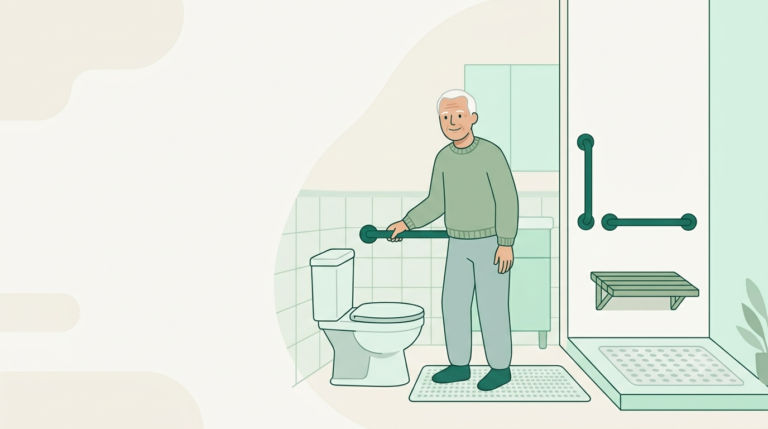
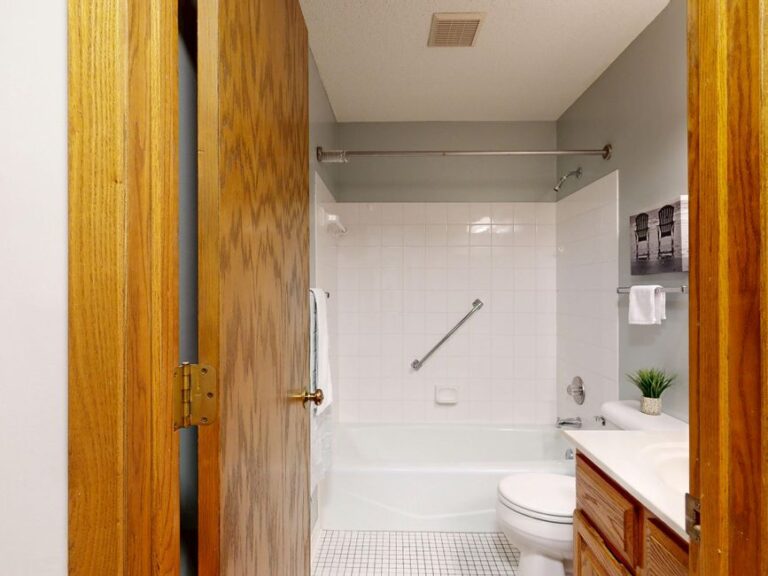
| Grab bars | Generally no | Treated as a home safety item, not DME |
| Walk-in tub / walk-in shower | No | Considered a home modification |
| Stair lift | No | Considered a home modification |
| Wheelchair ramp | Generally no | Considered a home modification |
| Medical alert system | No (Original Medicare) | Some Medicare Advantage plans may include it |
The Medicare Advantage exception
Medicare Advantage (Part C) plans are offered by private insurers and must cover everything Original Medicare does but they can also add extra “supplemental” benefits. Since 2019, the rules have allowed some plans to include limited home-safety items like grab bars, bathroom rails, and medical alert devices.
The honest reality, though, is that this remains uncommon and usually conditional. Relatively few plans offer these benefits, they are often reserved for members with a diagnosed need (for example, someone who has already fallen or shown medically documented instability), and coverage caps are modest. If your parent has a Medicare Advantage plan, it is worth calling the plan directly to ask what home-safety benefits, if any, are included but do not count on it before you have confirmed it.
Where the real help is: Medicaid and veterans’ benefits
If Medicare will not pay, the good news is that other programs often will, and they are frequently more generous than people expect.
- Medicaid (for those who qualify) is the big one. Through Home and Community-Based Services (HCBS) “waiver” programs, many states pay for grab bars, ramps, walk-in showers, and other modifications because keeping someone safely at home is far cheaper than nursing-home care. Coverage, dollar caps, and waiting lists vary widely by state.
- Veterans have strong options. The VA offers home-modification grants the HISA grant for medically necessary changes, and the larger SAH and SHA grants for veterans with qualifying service-connected disabilities. These can cover far more than Medicare ever would.
- Other programs stack on top. The USDA Section 504 program helps rural seniors, state and local programs offer grants and low-interest loans, and nonprofits like Rebuilding Together sometimes install grab bars and ramps for free.
We cover all of these in detail, with dollar amounts and how to apply, in my guide to paying for home modifications. For most families, that is where the genuinely useful money is.
What to actually do
- Check whether the item is DME first. If your parent needs a wheelchair, walker, commode, or patient lift, ask their doctor to prescribe it. Original Medicare may well cover it as durable medical equipment.
- If it’s a home modification, don’t rely on Medicare. For grab bars, ramps, walk-in showers, or stair lifts, assume Original Medicare will not pay and turn to the programs below.
- Call the Medicare Advantage plan (if they have one). Ask specifically what home-safety or supplemental benefits are included this year, and what documentation is required.
- Contact your Area Agency on Aging. This free local resource can point you to Medicaid waivers, state programs, and non-profits in your area, the fastest single step for most families.
- If your parent is a veteran, start a VA application. The VA grants are valuable and underused; the application is free and the VA will tell you which grant fits.
What to watch out for
Be cautious of sales pitches common with walk-in tubs and stair lifts that claim “Medicare will cover it.” For Original Medicare, this is almost always untrue, and such claims are a red flag. Get any coverage promise in writing from the insurer or program itself, never from the company selling the product.
Also remember that rules and dollar amounts change, eligibility is specific to each person and state, and Medicaid waivers often have waiting lists. Treat this article as a map of where to look, then confirm the current details directly with Medicare (1-800-MEDICARE), your parent’s plan, your state Medicaid office, or the VA before you commit to any spending.
When to get professional help
Your Area Agency on Aging (find yours through the federal Eldercare Locator) can connect you with funding programs at no cost. A HUD-approved housing counselor can also help, free of charge. For sorting out what is medically necessary, your parent’s doctor and an occupational therapist can document the need which strengthens applications to both Medicare Advantage and Medicaid.
Frequently asked questions
Will Medicare pay for grab bars if my doctor prescribes them?
Usually no. Even with a doctor’s recommendation, Original Medicare generally does not cover grab bars because they are classed as home safety items rather than durable medical equipment. A doctor’s documentation can, however, help with a Medicare Advantage plan or a Medicaid waiver application.
Does Medicare cover a walk-in tub or stair lift?
No. Original Medicare treats both as home modifications and does not cover them. Be wary of any seller who claims otherwise. Medicaid waivers or VA grants are the realistic funding routes.
What home items will Original Medicare cover?
Durable medical equipment that is primarily medical and prescribed by a doctor wheelchairs, walkers, hospital beds, commodes, oxygen equipment, and patient lifts, among others. You typically pay 20% of the Medicare-approved amount after meeting the Part B deductible.
Does Medicaid cover home modifications?
Often yes, for those who qualify, through state Home and Community-Based Services (HCBS) waivers. Coverage and caps vary by state, and there may be a waiting list. Your state Medicaid office or Area Agency on Aging can tell you what is available where you live.
Key takeaways
- Original Medicare generally does not cover grab bars, walk-in tubs, stair lifts, or ramps it covers durable medical equipment like wheelchairs and walkers instead.
- Some Medicare Advantage plans offer limited home-safety benefits, but it is uncommon and conditional call the plan to confirm.
- The real funding is usually Medicaid HCBS waivers, VA grants, USDA programs, and non-profits start with your Area Agency on Aging.
Sources
- Medicare.gov. Durable medical equipment (DME) coverage. medicare.gov
- U.S. Department of Veterans Affairs. Disability Housing Grants (SAH, SHA, HISA). va.gov
- Medicaid.gov. Home & Community-Based Services 1915(c). medicaid.gov
- Eldercare Locator (Area Agencies on Aging). eldercare.acl.gov
Disclaimer: This article is for general education and is written by a public health professional, not a benefits advisor or attorney. Coverage rules and dollar amounts change and vary by plan, state, and individual circumstances. Always confirm current details with Medicare, your plan, your state Medicaid office, or the VA before making decisions.
How this site is funded: I do not currently earn a commission on anything mentioned here. If that changes I will say so on every page it applies to, and it will not change an assessment. Several articles on this site advise readers not to buy popular products, and that stays true whatever the funding.