Are Walk-In Tubs Worth It?
Reviewed by Simon Peter Lokomo, MPH
Last reviewed: June 2026 · Evidence tier: Expert Opinion · Sources: AARP, consumer safety data
Are walk-in tubs worth it? For the right person, yes but they are not the obvious safety upgrade the advertising suggests. A walk-in tub genuinely helps someone who loves a soak, has arthritis or joint pain that hydrotherapy eases, and struggles to stand for a shower. But for pure fall safety, a zero-threshold walk-in shower with a seat and grab bars is usually safer, cheaper, and faster and Medicare does not pay for either. Before spending $5,000 to $15,000, it is worth understanding exactly what you are buying.
The verdict at a glance
- Worth it if: your parent loves baths, has arthritis or joint pain helped by warm-water soaking, and can transfer to a seated position safely
- Probably not worth it if: the main goal is fall safety, the budget is tight, or your parent prefers a quick shower, a walk-in shower with a seat is usually the better buy
- The honest reality: cheaper changes (grab bars, a shower chair, non-slip flooring) deliver most of the safety benefit for a fraction of the cost
Why this matters
Walk-in tubs are among the most heavily advertised products in the aging-in-place world, often promoted with urgency and emotional appeals to safety. That marketing can make a $10,000-plus purchase feel like a necessity. It is worth slowing down: this is one of the biggest single expenses a family will weigh, and the right answer genuinely depends on the person.
The bathroom is a real danger zone for older adults wet surfaces and awkward transfers make it one of the most common places for serious falls. So the instinct to make bathing safer is sound. The question is whether a walk-in tub is the best way to spend the money, or whether something simpler does the job better.
What a walk-in tub actually is and what it costs
A walk-in tub has a watertight door in the side, so the user steps over a low threshold rather than climbing over a high tub wall, then sits on a built-in seat to bathe. Most include grab bars, a non-slip floor, and often hydrotherapy jets.
Costs vary widely. Basic models start around $2,000 for the unit alone, but installed prices typically land between $5,000 and $15,000, and luxury or fully fitted units can exceed $20,000. Installation often involves plumbing and sometimes electrical work, and jetted models may need a larger water heater to fill them with warm water.
Walk-in tub vs. the alternatives
This is the comparison the advertising rarely shows you. Here is how a walk-in tub stacks up against the main alternatives for safe bathing.
| Option | Typical installed cost | Best for | Main drawback |
|---|---|---|---|
| Walk-in tub | $5,000–$15,000+ | Soaking lovers; arthritis/joint pain; can’t stand to shower | Cost; must sit through fill & drain |
| Walk-in / roll-in shower (zero threshold) | $4,000–$10,000+ | Fall safety; wheelchair/walker users; quick washing | No soaking; can still need a remodel |
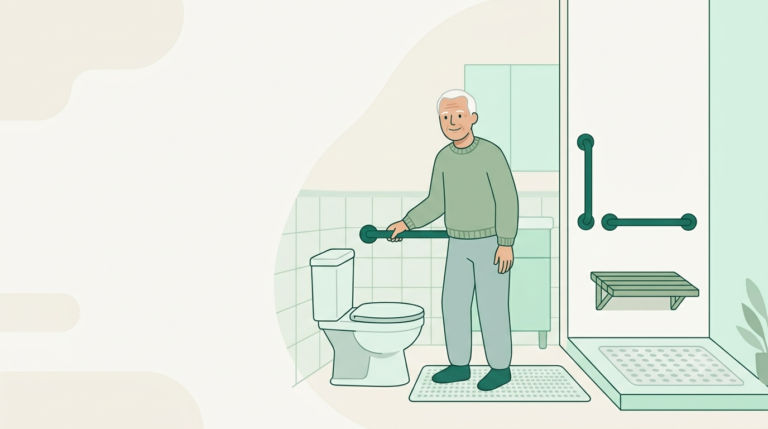
| Grab bars + shower chair + non-slip mat | $100–$500 | Most people, as a first step | Doesn’t remove the tub wall to climb over |
| Transfer bench / tub-transfer bench | $50–$300 | Getting over an existing tub wall safely while seated | Less elegant; takes space |
| Bath lift | $150–$700 | Lowering into an existing tub safely | Mechanical; needs charging/maintenance |
The genuine pros
- Lower entry than a standard tub. Stepping over a low threshold instead of a high tub wall removes one of the riskiest bathing movements.
- You bathe seated. Sitting removes the balance challenge of standing on a wet surface, and the built-in grab bars add stability.
- Real therapeutic value for some. For arthritis and chronic joint or muscle pain, warm-water soaking and hydrotherapy jets can provide genuine relief. This is the strongest case for choosing a tub over a shower.
- Supports independence. For someone who can no longer safely use a standard tub, it can mean continuing to bathe without help.
The cons the ads skip
- You sit through filling and draining. Because the door must be sealed shut, the user gets in before filling and cannot get out until it fully drains. That means sitting in an empty tub while warm water rises, then sitting wet and exposed while it empties, which can feel cold and take several minutes each way.
- The cost is high. At $5,000–$15,000-plus, a walk-in tub competes with every other aging-in-place priority. The same money could fund grab bars, better lighting, non-slip flooring, and a walk-in shower.
- Not ideal for wheelchair users. You still have to transfer onto the built-in seat; a zero-threshold roll-in shower is generally more accessible.
- Scald and chill risk. The long fill time and exposure mean anti-scald valves and a warm bathroom matter; without them the experience can be unpleasant or unsafe.
How to decide
- Name the real goal. If it is purely fall safety, a walk-in shower with a seat and grab bars usually wins on safety, cost, and speed. If it is comfort and soaking, especially with arthritis, the tub’s case is much stronger.
- Start cheap, then escalate. For many families, grab bars, a shower chair, and non-slip flooring (a few hundred dollars) solve the immediate safety problem. Only move to a major remodel if those are not enough.
- Get an occupational therapist’s view first. An OT can assess your parent’s actual mobility and recommend the right solution and may save you from a costly mistake.
- Calculate the true cost. Get itemised quotes including installation, plumbing, electrical, and any water-heater upgrade not just the headline tub price.
What the evidence does not support
An honest caveat
Be skeptical of marketing that frames a walk-in tub as the single best fall-safety investment. There is no strong evidence that a walk-in tub prevents falls better than cheaper, simpler bathroom modifications, and the largest, most-proven reductions in falls come from balance exercise and broad home-hazard removal, not from any one fixture. A walk-in tub can be a good comfort and independence purchase for the right person, but it is not a magic safety device.
Also be clear on funding: Original Medicare does not cover walk-in tubs, as they are not classed as durable medical equipment. Some Medicare Advantage plans, VA benefits, or state Medicaid waiver programmes may help check before assuming. And treat high-pressure, “today only” sales tactics as a reason for caution, not urgency.
When to get professional help
Before any major bathroom purchase, an occupational therapist can assess how your parent actually moves and recommend the safest, most cost-effective solution which is often not the most expensive one. For installation, use a licensed contractor or a Certified Aging-in-Place Specialist (CAPS), and get more than one itemised quote. If joint pain is the main reason you are considering a tub, your parent’s doctor can also advise whether warm-water therapy is likely to help their specific condition.
Frequently asked questions
Will Medicare pay for a walk-in tub?
No. Original Medicare does not cover walk-in tubs because they are not considered durable medical equipment. Some Medicare Advantage plans, VA benefits, or state Medicaid home-modification waivers may offer help check directly with the specific plan or programme.
Is a walk-in shower safer than a walk-in tub?
For most fall-safety purposes, yes. A zero-threshold walk-in shower removes the step-over entirely, suits walkers and wheelchairs, and lets the user wash quickly while seated without sitting through a long fill and drain. A tub’s edge is comfort and soaking, not raw safety.
What is the cheapest way to make bathing safer?
Grab bars anchored into the wall studs, a shower chair or transfer bench, a non-slip mat, and a handheld showerhead together often under a few hundred dollars. For many older adults these deliver most of the safety benefit of a far more expensive remodel.
Key takeaways
- A walk-in tub is worth it mainly for comfort and joint-pain relief in someone who loves to soak — not as a pure fall-safety device.
- For fall safety, a zero-threshold walk-in shower with a seat and grab bars is usually safer, cheaper, and faster; basic aids cost only a few hundred dollars.
- Medicare does not cover walk-in tubs. Get an OT’s assessment and itemised quotes before spending $5,000–$15,000+.
Sources
- ConsumerAffairs. Pros and Cons of Walk-In Tubs and Walk-In Showers vs. Walk-In Tubs. 2026. consumeraffairs.com
- SeniorLiving.org. Walk-In Tubs Guide 2026 (reviewed by an occupational therapist). seniorliving.org
- ConsumerAffairs. 8 Alternatives to Walk-in Tubs. 2026. consumeraffairs.com
- Centers for Disease Control and Prevention. Older Adult Falls Data. 2026. cdc.gov
Medical disclaimer: This article is for general education and is written by a public health professional, not a physician or occupational therapist. It is not medical advice. Always seek personalized guidance for your parent’s situation before making home modifications.
How this site is funded: I do not currently earn a commission on anything mentioned here. If that changes I will say so on every page it applies to, and it will not change an assessment. Several articles on this site advise readers not to buy popular products, and that stays true whatever the funding.